Stablecoin Clash: Innovation vs Bank Control


U.S. lawmakers and banks are locked in a growing clash over stablecoins. Innovation is advancing, but resistance is strong.
U.S. lawmakers and banks are locked in a growing clash over stablecoins. Innovation is advancing, but resistance is strong. The question is whether a compromise will strengthen finances—or create new vulnerabilities.
Washington vs. Wall Street: The High-Stakes Showdown
A clear power struggle is unfolding between the federal government and traditional financial institutions. While regulators are accelerating progress on stablecoin policy, banks are mounting a sophisticated resistance. What appears to be a dry policy disagreement is, in reality, a high-stakes contest over who controls the future of money.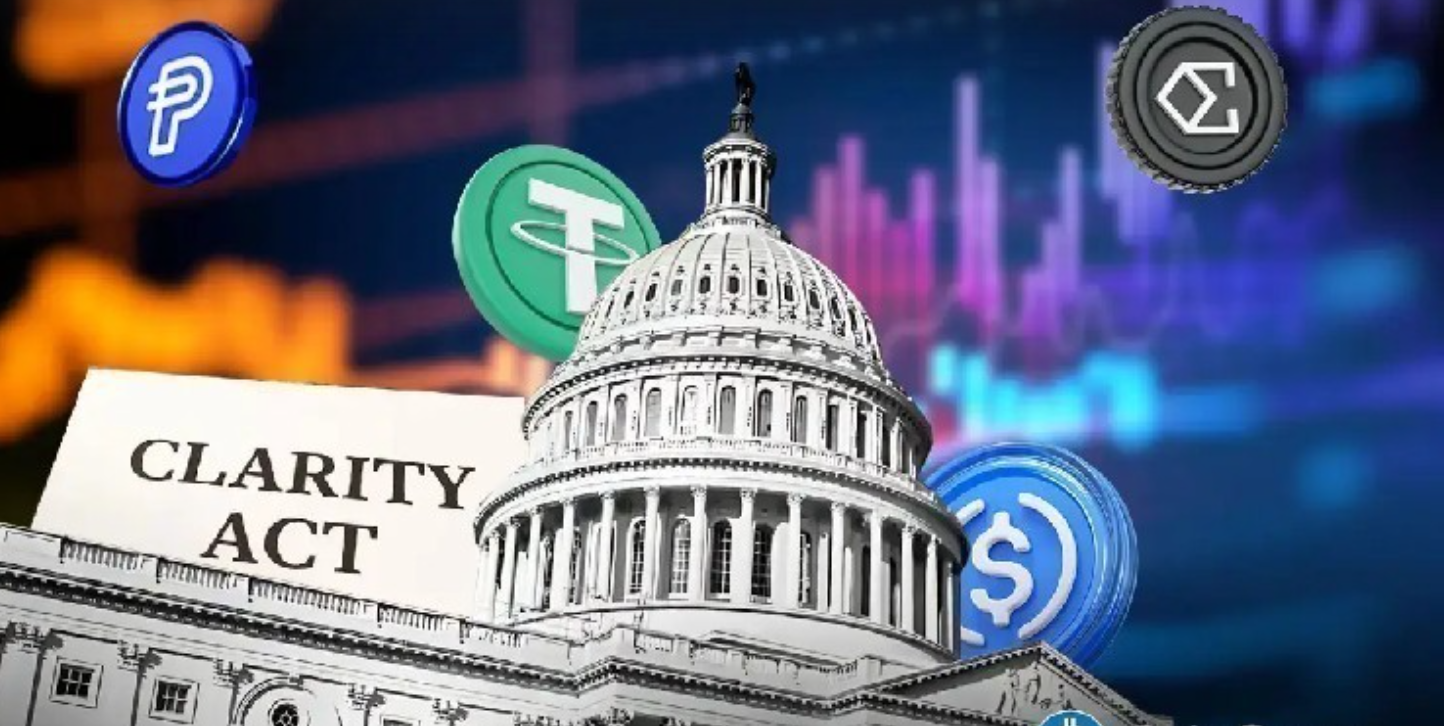
The banking sector is not holding back. Through the American Bankers Association (ABA), they argue that yield-bearing stablecoins could trigger massive deposit outflows from the traditional system. Their concern is existential: if users can earn superior returns in a digital-native ecosystem, the banking industry risks losing both its customer base and the liquidity required for lending.
Conversely, the government is framing the issue around consumer empowerment. Data from the Council of Economic Advisers suggests that restricting stablecoin yields may protect bank margins at the expense of the average consumer. From this perspective, stablecoins are not a systemic threat but an opportunity to expand financial inclusion and improve returns.
The Legislative Middle Ground
Despite these tensions, a potential compromise exists. The CLARITY Act seeks to bridge the divide by proposing a ban on "passive" yield while allowing "activity-based" rewards. Yet, even this moderated approach has struggled to win over the banking lobby, highlighting the depth of the ideological divide.

Meanwhile, the market is moving faster than the law. Research from Messari shows that yield-bearing stablecoins are expanding at a pace that far exceeds the broader crypto market. This accelerating demand has left policymakers in a reactive position. Lawmakers like Thom Tillis and Cynthia Lummis have warned that failing to reach an agreement soon could delay meaningful regulation for years, ceding leadership to other jurisdictions.
The Risk of Resistance
Whether the traditional banking system embraces it or not, stablecoins are positioning themselves as viable alternatives to legacy finance. However, their long-term success still depends on the infrastructure, liquidity, and trust that banks have built over centuries. This creates a state of mutual dependence. The real question is not whether one replaces the other, but how they can coexist.
Banks that resist this evolution risk becoming "digital dinosaurs." By blocking stablecoin innovation, they forfeit new revenue streams—such as digital asset custody and programmable payments—and allow fintech and crypto platforms to capture the next generation of wealth.
A Path to Compromise: Balancing Innovation and Stability
A workable framework must balance disruption with financial integrity. The path forward involves three pillars:
- Regulatory Guardrails: Issuers must be required to maintain transparent reserves, undergo rigorous audits, and meet liquidity standards comparable to high-level banking requirements.
- Institutional Integration: Rather than sidelining banks, regulation should empower them to issue or custody stablecoins, allowing them to retain relevance within a regulated framework.
- Targeted Incentives: Utilizing the "activity-based" model of the CLARITY Act to ensure stablecoins are used for utility and commerce rather than just speculative "hot money."
How Stablecoins Could Benefit Banks
- New revenue streams: Banks can earn from issuing, managing, and providing custody for stablecoins, opening up fresh lines of business beyond traditional deposits.
- Faster and cheaper payments: Stablecoins enable near-instant, low-cost cross-border transactions—something banks have historically struggled to optimize.
- Customer retention and growth: By offering stablecoin services, banks can keep tech-savvy users who might otherwise move to crypto platforms for better flexibility and returns.
- Improved efficiency: Using blockchain rails can streamline settlements, reduce intermediaries, and cut operational costs.
- Competitive positioning: Early adoption allows banks to stay relevant in a financial system that is becoming increasingly digital and decentralized.
Key Takeaway
Stablecoins are reshaping finance, but not in isolation. Their rise presents both an opportunity for innovation and a challenge to traditional banking. The path forward lies in balance—where regulation, collaboration, and adaptation allow both systems to coexist, strengthening the financial ecosystem rather than dividing it.