Tether’s Quiet Move to Reshape Bitcoin Payments

For years, crypto promised a future where users could send money instantly, globally, and without intermediaries. Yet in reality, most activity still revolves around exchanges and speculations.
For years, crypto promised a future where users could send money instantly, globally, and without intermediaries. Yet in reality, most activity still revolves around exchanges, speculation, and fragmented networks.
Now, a subtle but powerful shift is emerging.
Tether, the issuer of the world’s most widely used stablecoin, is quietly preparing for a significant advancement: direct Bitcoin and stablecoin payments at the wallet level.
Structural Barriers to Everyday Crypto Payments
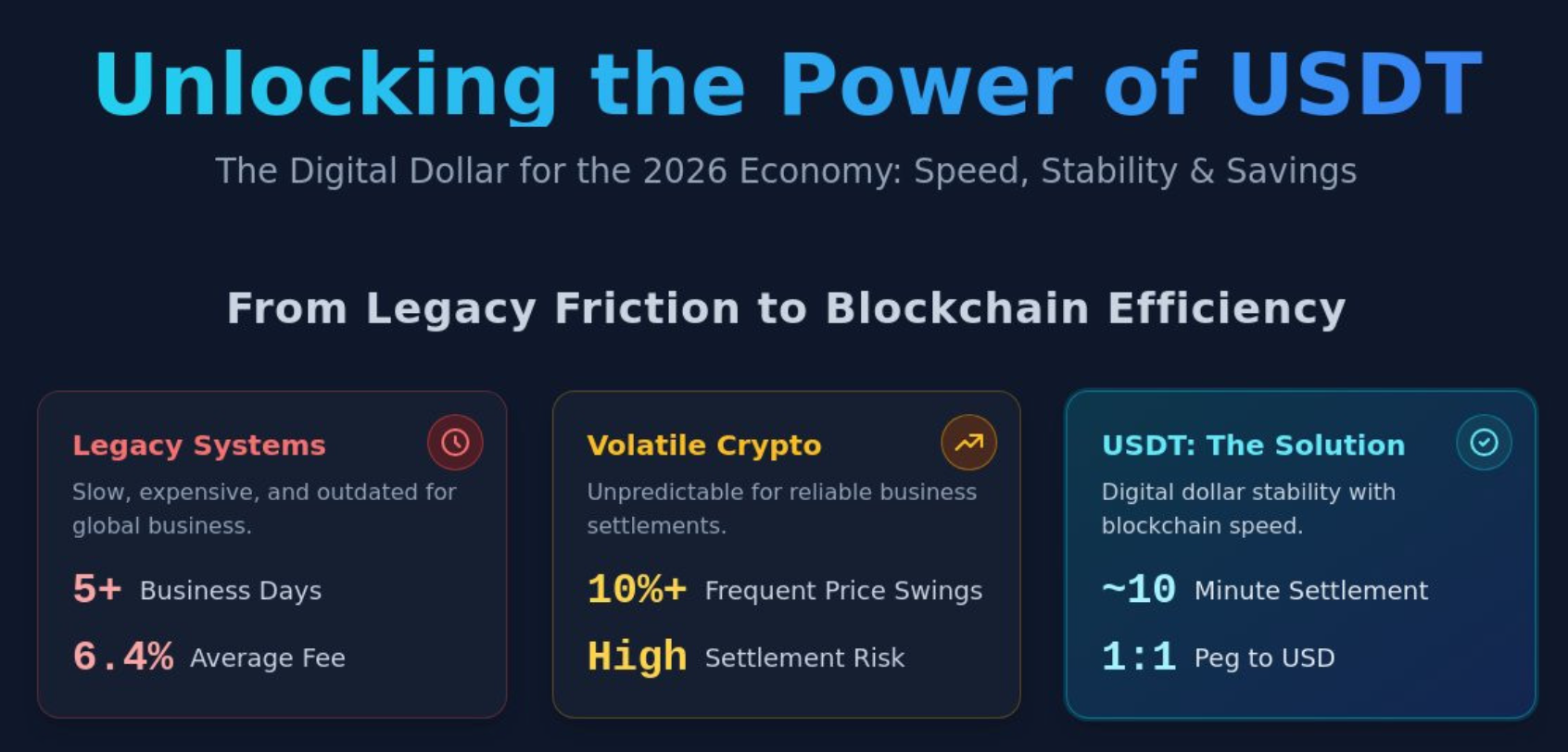
Despite massive adoption, crypto still struggles with a fundamental limitation:
- Payments are not seamless
- Users rely heavily on centralized exchanges
- Stablecoins operate largely on fragmented chains
- Bitcoin, while secure, is not easily integrated into everyday payments
This scenario creates a disconnect between crypto’s promise and its real-world usability.
Even stablecoins like USDT—despite processing trillions in volume annually—are still mostly used for trading, arbitrage, and liquidity, not everyday transactions.
Building the New Payment Layer
Recent developments suggest a shift is underway.
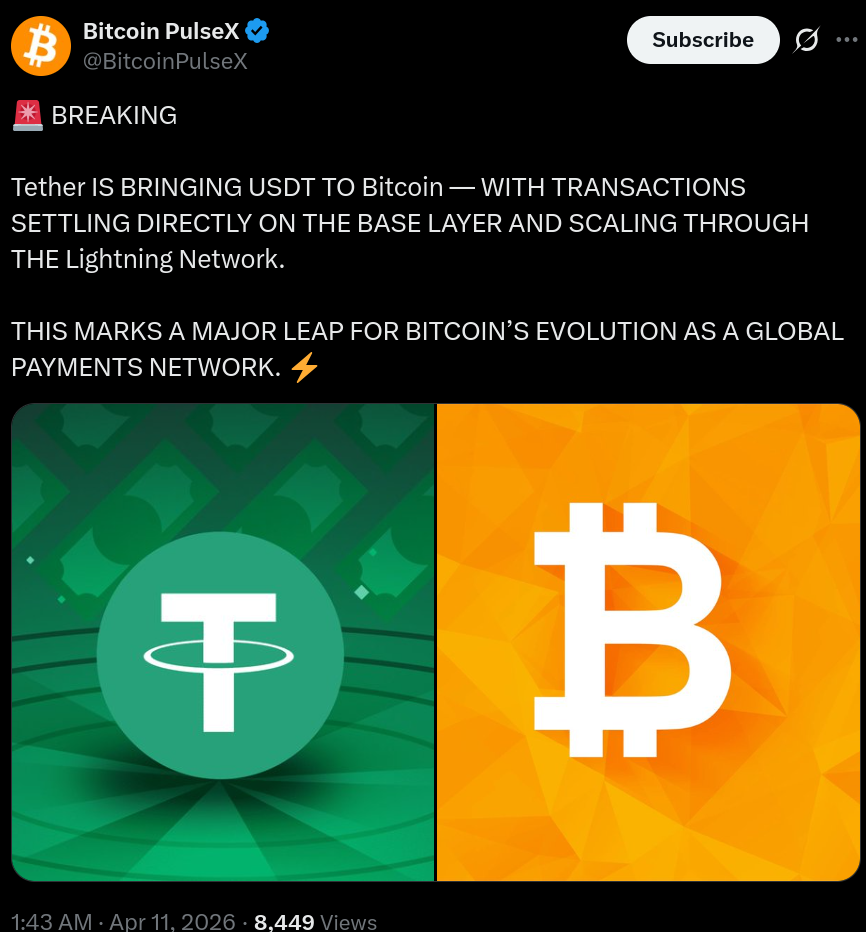
Tether is backing initiatives that aim to bring USDT directly onto the Bitcoin network, enabling users to transact stablecoins using Bitcoin’s infrastructure.
According to reports, this move is part of a broader push toward native, wallet-based payment systems that combine, the stability of USDT and the security and decentralization of Bitcoin
While this release is not a full-scale consumer wallet launch yet, it signals something deeper:
the construction of a new payment layer beneath the surface.
The Barriers to Mainstream Crypto Adoption
To understand the significance, we need to look back.
Bitcoin was originally designed as a peer-to-peer payment system. Over time, it evolved into a store of value. Stablecoins like USDT emerged to mitigate volatility challenges—but have largely remained confined to trading environments.
Meanwhile, payment-focused projects struggled to gain traction due to high fees, slow transaction speeds, and poor user experience.
As a result, crypto payments never fully reached mainstream adoption.
How This Innovation Simplifies Crypto Payments
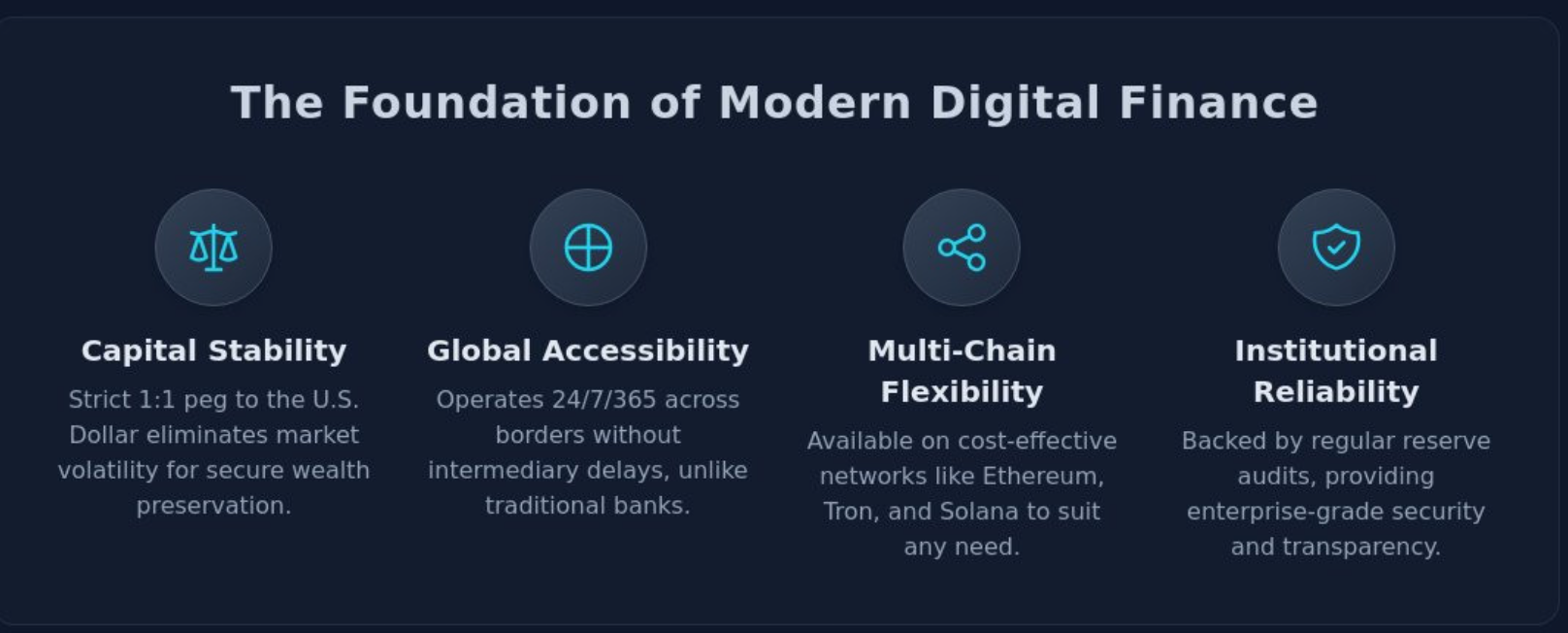
This innovation could significantly simplify how people use crypto for everyday payments by removing many of the barriers that currently exist. Instead of moving funds through exchanges or converting between different networks, users would be able to send and receive stablecoins like USDT directly through Bitcoin-powered wallets, making transactions faster and more seamless. By combining Bitcoin’s strong security with the price stability of stablecoins, payments become more reliable for both buyers and sellers.
This also reduces costs, improves transaction speed, and allows users to maintain full control of their funds without relying on intermediaries. Ultimately, it brings crypto closer to functioning like everyday money—easy to use, globally accessible, and efficient for real-world transactions.
Development Stage: Early Rollout With Room to Grow
While the narrative around Tether may sound like a future concept, the reality is more nuanced. The company has already introduced an early version of its wallet, signaling that the shift toward direct Bitcoin and stablecoin payments is no longer theoretical.
However, the initiative remains an early-stage rollout rather than a fully mature system. The company is still refining key infrastructure, particularly the deeper integration of USDT with the Bitcoin network, and widespread user adoption has yet to take hold. In simple terms, what we have now is just the beginning of a bigger idea: a product that shows the concept works, but it still needs to grow, be easier to use, and be accepted by more businesses before it can really be a global payment standard.
The Strategic Implications for Market Liquidity
For traders and investors, this development could be more significant than it appears.
If stablecoins become directly usable on Bitcoin:
- Liquidity could shift toward Bitcoin-based ecosystems
- USDT demand may increase beyond trading use cases
- Payment-driven adoption could create more stable market flows
Such developments may reduce reliance on:
- Centralized exchanges
- Fragmented liquidity pools
Over time, it has the potential to transform the movement of value within the crypto market.
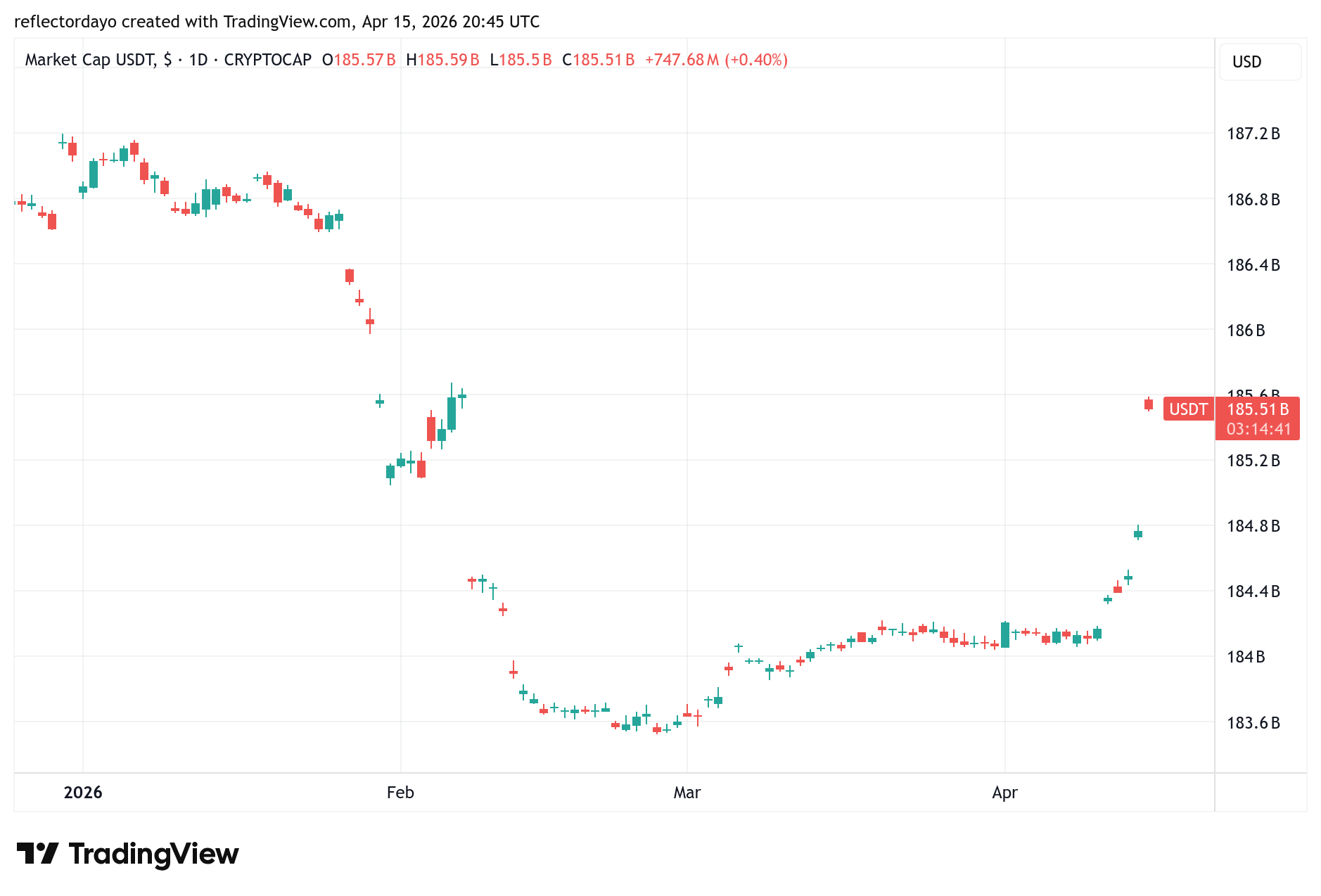
Tether’s Market Cap Surge
In recent sessions, Tether (USDT) has shown a modest recovery in market capitalization, signaling a shift in liquidity conditions. After declining from around $186 billion earlier this year to a low near $183 billion between February and early March—reflecting capital outflows—the market cap has now rebounded toward $185 billion.
This uptick suggests renewed capital inflows and growing investor readiness to re-enter the market, often a precursor to increased activity in major assets like Bitcoin.
Tether Statistics Data
- USDT Current Price: $1
- USDT Market Cap: $185 billion
- USDT Circulating Supply: 185 billion USDT
- USDT Total Supply: 188 billion USDT
- USDT Market Ranking: #3