HomeBuy Crypto GuideBuy DAI
Buy DAI in Canada
Bridged DAI (PulseChain) (DAI)

Buy Bridged DAI (PulseChain) (DAI) in Canada

Learn how to buy Bridged DAI (PulseChain) (DAI) on LBank, including payment methods such as credit cards, debit cards, Apple Pay, and bank transfers, as well as the purchase process, preparations, and FAQs.

Step 1
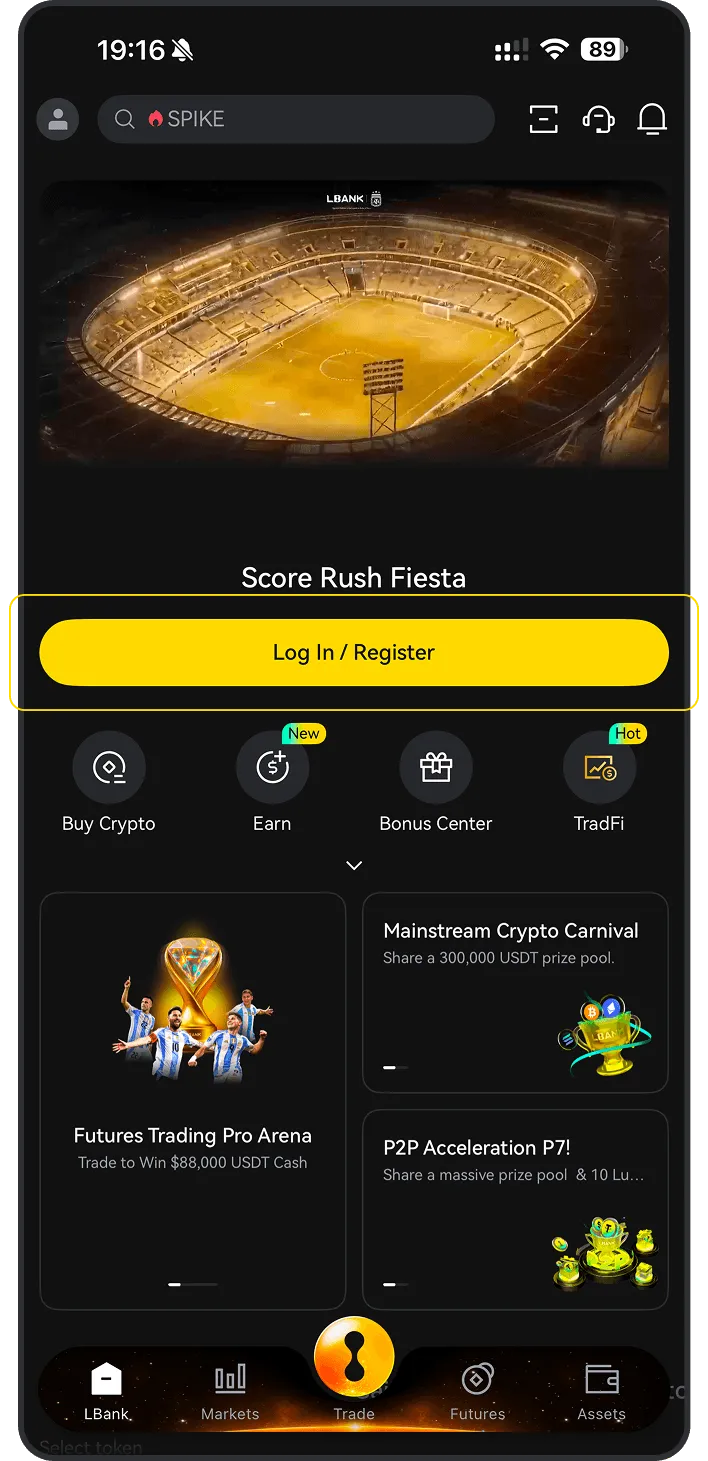
Download the LBank App
Please download the LBank App and register to get started
Step 2
Fund your account
Deposit using your preferred payment method.
Step 3
Choose your cryptocurrency
Select the crypto you want to buy from over 3,000,000 cryptocurrencies available on LBank Exchange or Wallet.

Purchase Decision Overview

Credit / Debit Card

Credit / Debit Card

Fee
Variable Fees
Processing Time
Usually within 1 minute, up to 48 hours
Minimum Purchase Amount
Starting from approx. 10–15 USD
Supported Regions
Subject to region, fiat currency, issuing bank, and payment channel support
Bank Transfer / Local Transfer

Bank Transfer / Local Transfer

Fee
Variable Fees
Processing Time
Depends on the payment method; some local channels may be faster
Minimum Purchase Amount
Starting from approx. 1–10 USD
Supported Regions
Subject to local payment channel support

Three Simple Steps to Buy DAI on LBank

Register an LBank account

How to Buy DAI on LBank: Payment Methods Overview

Explore the available payment methods for buying DAI on LBank, including credit card, debit card, bank transfer, Apple Pay, Google Pay, PayPal, and P2P, to quickly choose the most suitable way to buy DAI.

Credit / Debit Card
Credit / Debit Card
Processing Time: Usually within 1 minute; up to 48 hours
Use a Visa/Mastercard that supports international online transactions and ensure 3D Secure is enabled; if it fails, try a different card or try again later
Common Reasons for Failure: The issuing bank declined the cryptocurrency transaction; insufficient balance; 3D Secure verification failed; risk control interception; or region/card network not supported
Bank Transfer / Local Transfer
Processing Time: Instant or 1–3 Business Days
Verify the receiving account, reference code, and transfer network, and use a bank account consistent with your identity verification
Common Reasons for Failure: Incorrect receiving information or reference code; name mismatch; bank processing delay; or unsupported transfer network

What Do You Need to Prepare Before Buying Bridged DAI (PulseChain) (DAI) on LBank?

Check the preparations required before buying Bridged DAI (PulseChain) (DAI) on LBank, including account registration, identity verification (KYC), payment methods, regional availability, and pre-purchase precautions to help you smoothly complete the BTC purchase process.

Suitable for
Users who want to quickly buy DAI with fiat
Before You Buy: Checklist
Register and log in to your account
Complete required KYC
Prepare payment method
Confirm regional availability,Check limits / fees / processing time
User Path
Buy Crypto

How to Buy Bridged DAI (PulseChain) on LBank – Step-by-Step Guide

Before you begin, decide how you’d like to pay:

Pay with fiat

If you're new to crypto, using fiat currency (such as USD, EUR, etc.) is the easiest way to buy Bridged DAI (PulseChain). LBank supports various payment methods, including debit cards, credit cards, bank transfers, and other local payment options where available. You may need to fund your LBank account before making a purchase.

Pay with other cryptocurrencies

If you already hold other cryptocurrencies, you can trade them for Bridged DAI (PulseChain) on LBank. Please make sure that LBank supports the trading pair you need (e.g., Bitcoin (BTC)). LBank offers a wide range of trading pairs, allowing you to conveniently convert your existing crypto into Bridged DAI (PulseChain).

LBank supports multiple payment methods

You can use the following payment methods to purchase Bridged DAI (PulseChain) on LBank:

Debit card
Credit / Debit Card
PayPal
Apple Pay
Google Pay

Mobile app guide

1
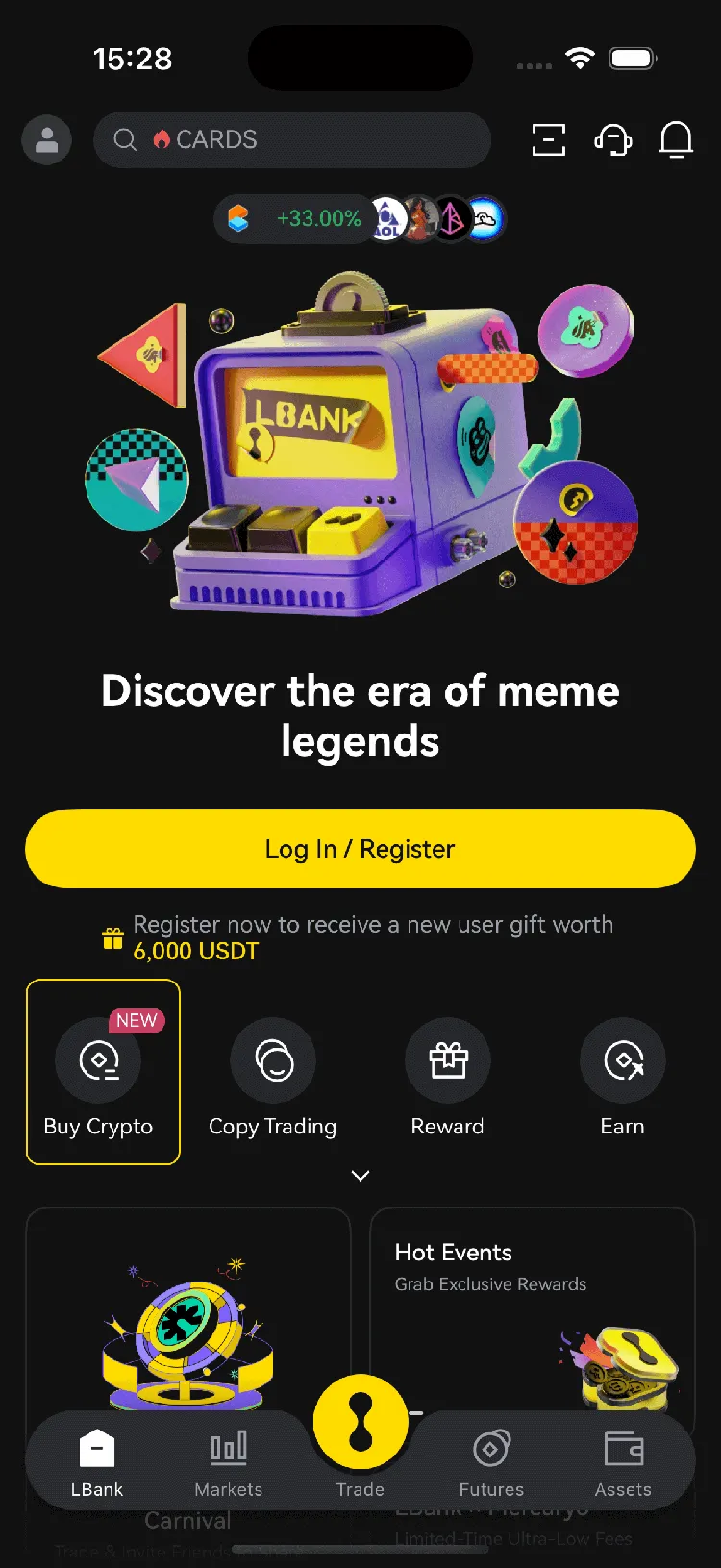
Open the LBank mobile app and tap “Buy Crypto”
2
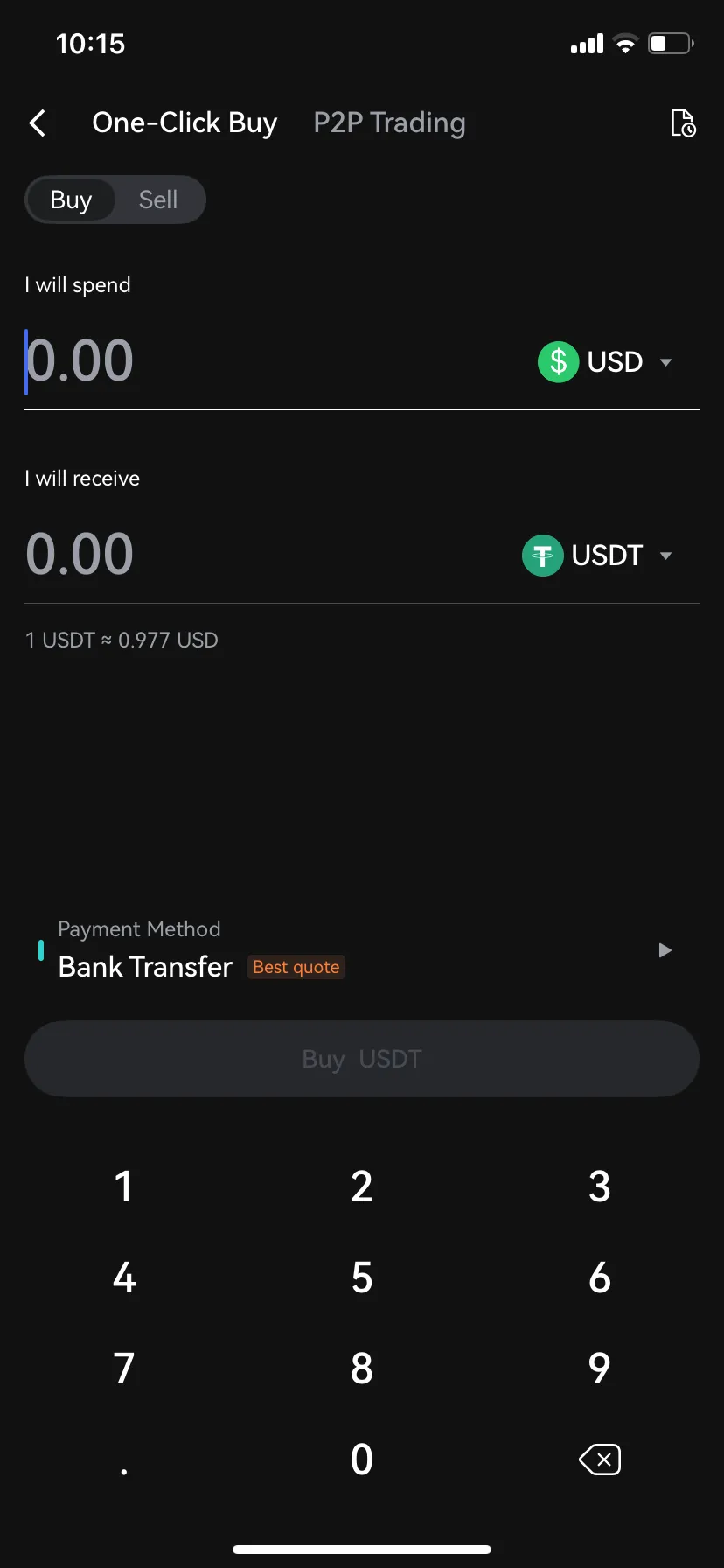
Select “Buy”
3
Choose , enter the fiat currency you want to use, input the amount, then tap “Buy” or “Confirm”

Desktop guide

1
Log in to LBank on your desktop browser and click the “One-Click Buy” option.
2
Under the “One-Click Buy” tab:

(a). Choose the fiat currency you want to use

(b). Select the Bridged DAI (PulseChain) you want to purchase

(c). Enter an amount or use quick-select options (e.g., 100, 200, 500, max)
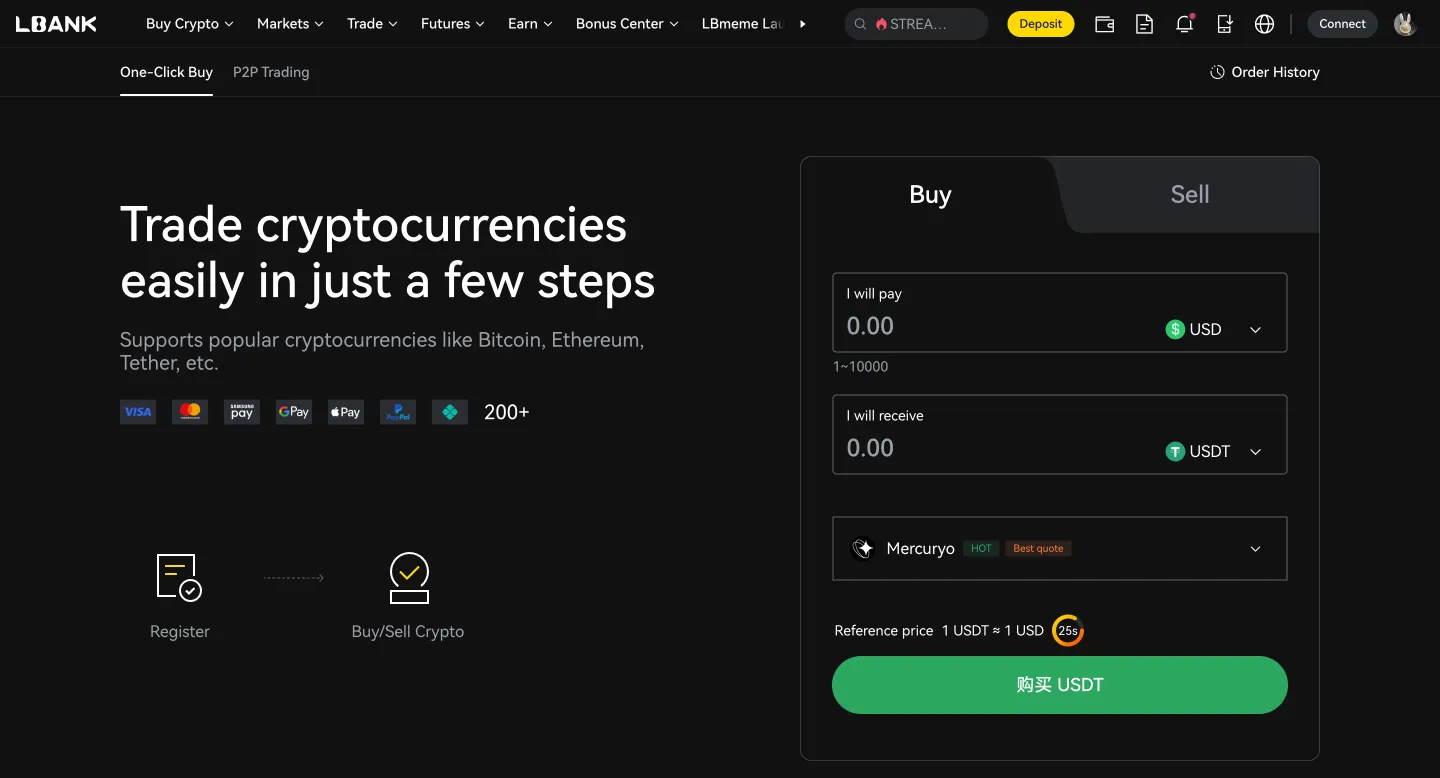
(d). Choose your payment method
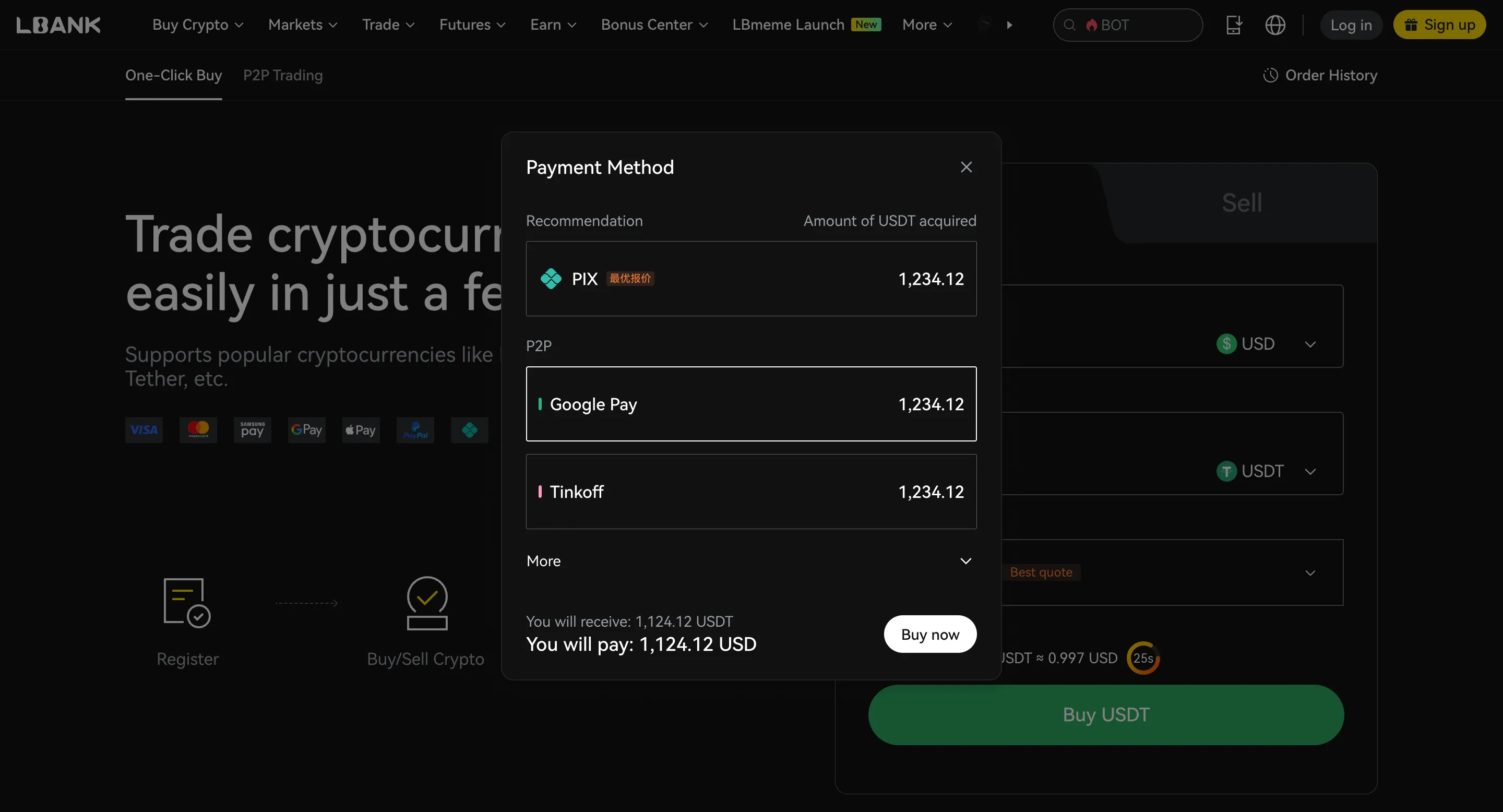
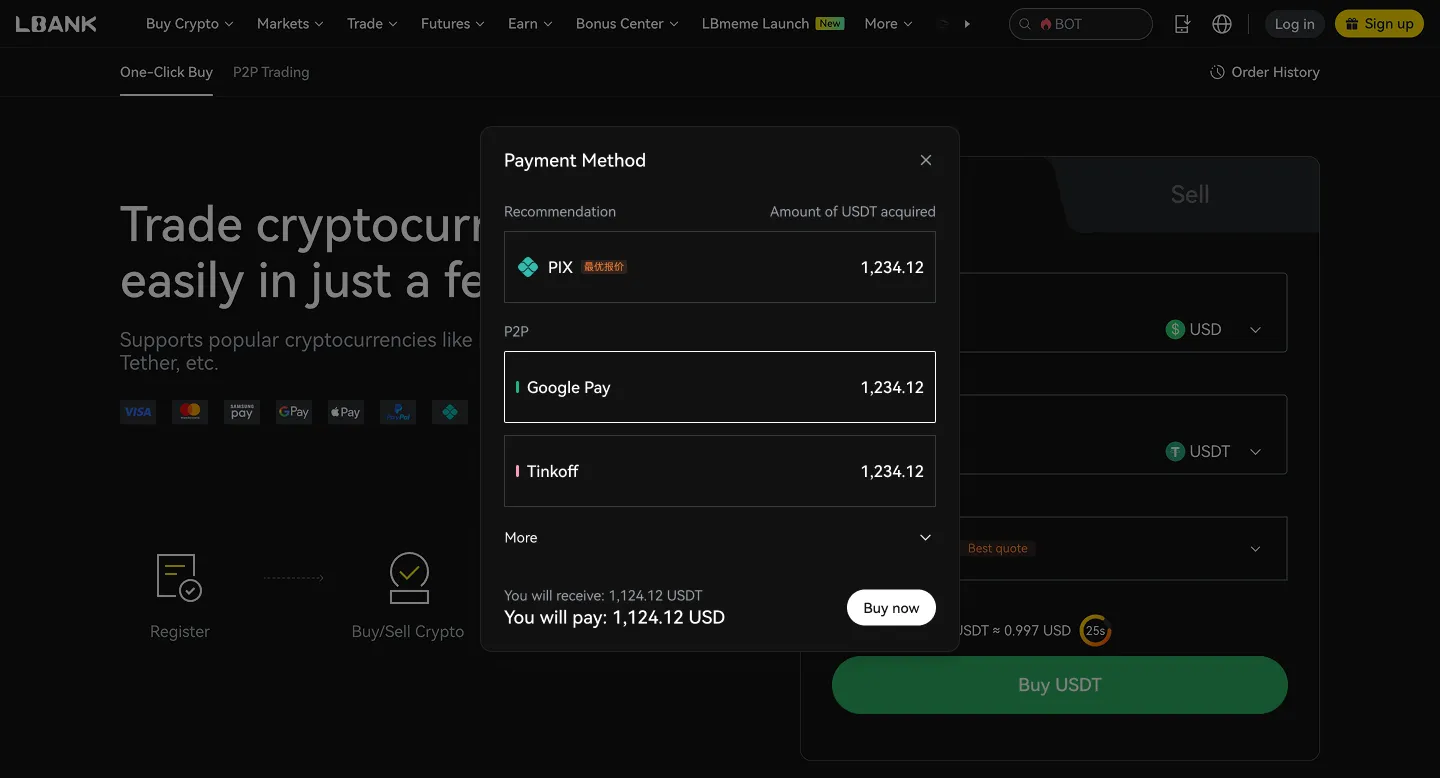
(e). Click “Confirm” or “Buy now”
P2P Trading

Merchant
Price
Amount | Limit
Payment Method
Action
18
180-fast24x7
1139 min | 100%
1.000 USD
10.00 USDT
10.000 - 10.000USD
Bank Transfer
SU
SUPER FAST BUY-SELLR
411 min | 100%
1.000 USD
163.06 USDT
1.000 - 163.060USD
Bank Transfer
BA
Bayon KH
120 min | 100%
1.003 USD
85.04 USDT
10.000 - 85.295USD
Wing Money
Bank Transfer (Cambodia)
ABA (Cambodia)

What is Bridged DAI (PulseChain) (DAI)?

Bridged DAI (PulseChain), often referred to as pDAI, is a version of the DAI stablecoin that operates on the PulseChain network. It originated as a copied version of DAI from the Ethereum blockchain, distributed during a large-scale free airdrop at the inception of PulseChain. This meant that individuals holding DAI on Ethereum received an equivalent amount of pDAI on PulseChain. The primary purpose of pDAI is to function as a stablecoin within the PulseChain ecosystem. The original DAI on Ethereum is known as a crypto-backed stablecoin designed to maintain a stable value, primarily against the US dollar, through a system of autonomous smart contracts rather than a central authority. PulseChain itself is presented as an alternative blockchain to Ethereum, aiming for faster transaction speeds, lower costs, and a fee-burning mechanism. A key characteristic highlighted for tokens on PulseChain, including pDAI, is their unconfiscatable nature, which is intended to ensure user sovereignty, resistance to censorship, and full control over digital assets. The network emphasizes decentralization, supported by a large global validator set. Upon its introduction to PulseChain, pDAI began with a very low initial value. Over time, the community supporting PulseChain has shown interest in pDAI achieving a stable value similar to its Ethereum counterpart. Some sources also refer to the bridged DAI from Ethereum as "eDAI" within the PulseChain community. Additionally, pDAI is noted for having a legal status that places its jurisdiction outside of the United States, positioning it beyond the purview of the SEC, further reinforcing its unconfiscatable quality. Learn more

Is Bridged DAI (PulseChain) (DAI) a good investment?

Whether Bridged DAI (PulseChain) (DAI) is a good investment depends on your personal financial situation and risk tolerance. Cryptocurrency investments are speculative and can be highly volatile.


Before investing in Bridged DAI (PulseChain) (DAI) or any cryptocurrency, consider the following:

Your financial goals
Are you seeking short-term gains or long-term growth?
Your risk tolerance
Your risk tolerance
How much potential loss are you comfortable with?
Diversification
Diversification
Don’t put all your eggs in one basket. Spread your investments across different types of assets.
Your goals and time horizon
Cryptocurrencies are best suited for long-term investors. Disclaimer: This is not financial advice. Please do thorough research before making any investment decisions.

Fees, limits, and processing time for buying DAI on LBank

Compare fees, transaction limits, and estimated processing times across different payment methods. Actual fees and availability may vary by region, fiat currency, payment method, and third-party providers. Please refer to the order page for final details.


ROI calculator

If I invest, how much profit will I make?
Invest
$
Enter
DAI
Date
2026-06-06
You will earn $-- in profit, with an ROI of --

What can you do with Bridged DAI (PulseChain) (DAI)?

Investment
Buy and hold Bridged DAI (PulseChain) (DAI), expecting its value to increase over time.
Investment
Trade
Actively trade Bridged DAI (PulseChain) (DAI) on LBank to profit from price fluctuations.
Trade
Pay
Use Bridged DAI (PulseChain) (DAI) to pay for goods and services where accepted.
Pay

Why is LBank the best platform to buy Bridged DAI (PulseChain) (DAI)?

User-friendly interface
LBank offers a simple and intuitive platform for buying and selling Bridged DAI (PulseChain) (DAI).
Competitive fees
Competitive fees
LBank provides competitive trading fees for Bridged DAI (PulseChain) (DAI).
Secure platform
Secure platform
LBank applies robust security measures to protect your funds.
Diverse trading pairs
LBank offers a wide range of trading pairs for Bridged DAI (PulseChain) (DAI).
24/7 customer support
LBank provides customer support to help you with any questions or issues.
Mobile app
Mobile app
Trade Bridged DAI (PulseChain) (DAI) anytime, anywhere using the LBank mobile app.
High liquidity
High liquidity
LBank offers excellent liquidity for Bridged DAI (PulseChain) (DAI) trading, ensuring you can easily buy and sell your crypto assets.
Regulatory compliance
LBank complies with all regulatory requirements in the jurisdictions where it operates to ensure a compliant and secure trading environment

After buying DAI, what is the best way to store it?

After buying DAI, you can choose a storage method based on your usage frequency, holding period, and security needs. If you need to trade at any time, you can store it in your LBank account. If you prioritize self-custody or long-term security, consider using a personal wallet or a hardware wallet.

Store in your LBank account

Store in your LBank account

Suitable for
Users who want to trade or convert at any time
Short-term BTC holders
Features
Ready to use immediately after purchase; easier to use
Ideal for frequent trading, conversions, or using platform features
Security Alert
Please enable 2FA
Please set an anti-phishing code
Only log in through official channels
Transfer to a personal hot wallet

Transfer to a personal hot wallet

Suitable for
Users who want to manage their own assets
Users who need daily transfers or on-chain usage
Features
More flexible; convenient for daily transfers and management
Better suited for small holdings and everyday use
Security Alert
Do not store seed phrases or private keys in the cloud
Do not save sensitive information via chat tools, email, or screenshots
Stay alert for phishing websites and fake wallet apps
Transfer to a hardware wallet

Transfer to a hardware wallet

Suitable for
Long-term BTC holders
High-value holders who prioritize security
Features
Private keys are stored offline, offering enhanced security
Ideal for long-term storage of infrequently moved assets
Security Alert
Securely back up seed phrases offline
Never disclose your recovery phrase to anyone
Assets may be irrecoverable if the seed phrase is lost

Learn more about Bridged DAI (PulseChain) (DAI)

More

Bridged DAI (PulseChain) (DAI) FAQ

Bridged DAI on PulseChain has faced challenges in maintaining its 1:1 peg to the US dollar since its launch. This instability stems from various factors, including the distinction between forked DAI (pDAI) and truly bridged DAI (eDAI), and controversies surrounding its initial backing. There is ongoing discussion and community effort regarding the potential for restoring and stabilizing the peg, though it remains a significant concern for users and participants within the PulseChain ecosystem.
"pDAI" refers to the version of DAI that was created by the fork of the Ethereum blockchain at the time PulseChain launched. It essentially represents a snapshot of DAI on Ethereum. In contrast, "eDAI" signifies DAI that has been actively bridged from the Ethereum network to PulseChain using a designated bridging mechanism. Understanding this distinction is crucial because forked stablecoins like pDAI might lack the direct backing or liquidity of their original counterparts, potentially affecting their stability and value compared to eDAI, which represents externally-backed assets.
To bridge DAI from Ethereum to PulseChain, or vice-versa, users typically utilize a dedicated bridge protocol. This involves connecting your wallet to the bridge interface, selecting the desired token (DAI), specifying the amount, and initiating the transfer. Transactions on Ethereum will incur ETH gas fees, while transfers on PulseChain require PLS gas fees. Users should carefully review all details before confirming, ensure they have sufficient gas tokens on both networks, and be aware of potential delays or the need for manual claiming in some cases to ensure tokens arrive safely.
To view and manage Bridged DAI on PulseChain in a MetaMask wallet, users first need to ensure their wallet is connected to the PulseChain network. If not already added, the PulseChain network details (RPC URL, Chain ID, Currency Symbol) must be manually configured in MetaMask's settings. Once on the PulseChain network, users can add the Bridged DAI token by importing its specific contract address. This action will allow the token balance to be displayed within the wallet interface, enabling seamless viewing and transaction management.
Bridged DAI (PulseChain)(dai) can typically be traded on various decentralized exchanges (DEXs) operating within the PulseChain ecosystem. These platforms allow users to swap Bridged DAI with other tokens available on PulseChain. The liquidity for Bridged DAI on these DEXs can vary, influenced by factors such as trading volume, the amount of assets locked in liquidity pools, and overall market demand. Users should explore different DEXs to assess current liquidity levels and available trading pairs before executing transactions.
Claims made by Richard Heart, the founder of PulseChain, regarding an alleged MakerDAO exploit have significantly contributed to the controversy and instability surrounding pDAI. These claims suggested that the forked DAI (pDAI) on PulseChain might not be fully backed due to issues with the original MakerDAO protocol on Ethereum. This raised serious questions about the integrity and backing of pDAI, fostering uncertainty among users. This controversy is a key factor in pDAI's struggle to maintain its peg, prompting community discussions and efforts to understand and potentially address the backing mechanisms.

How to buy other crypto assets