

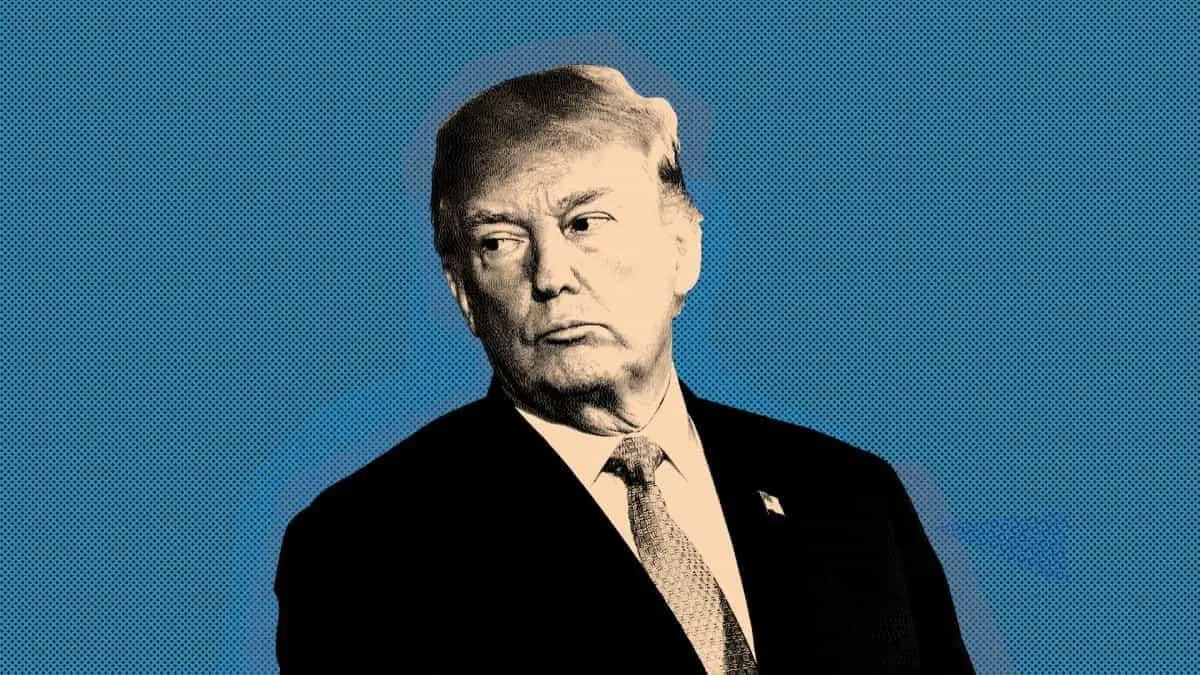
After months of negotiations over how a broader cryptocurrency market-structure bill should treat stablecoin rewards, a key negotiator says discussions are in a "good spot," as other issues, such as illicit finance and President Donald Trump's conflicts of interest, are set to come into focus.
Sens. Angela Alsobrooks, D-Md., and Thom Tillis, R-N.C., have been working on language to tackle what has become a main sticking point in getting sweeping digital asset legislation passed into law — stablecoin rewards. That issue was addressed when lawmakers passed the GENIUS Act last year, which bars stablecoin issuers from paying interest to holders directly. But it doesn't prevent platforms, like Coinbase, from providing rewards.
Banking industry representatives are pushing against that provision because they say allowing those kinds of returns could draw deposits away from traditional banks, potentially weakening community institutions. Crypto firms, however, say that restricting rewards would stifle innovation.
To try to resolve the issue, the White House held multiple meetings, and lawmakers, like Tillis and Alsobrooks, have been working on legislative language as the Senate Banking Committee braces itself for a markup hearing to amend and vote on that broader crypto bill, called Clarity. The bill would clarify regulatory jurisdiction between the Commodity Futures Trading Commission and the Securities and Exchange Commission, define when digital assets qualify as securities or commodities, and establish new disclosure requirements.
The committee tried to hold a markup in January for the bill, but pulled it at the eleventh hour after Coinbase withdrew support.
Alsobrooks' goal is to have a "successful bipartisan markup," said Meredith Happy, a spokesperson for the senator, told The Block this week.
"And while we believe we are in a good spot on yield, there are other issues to resolve on illicit finance and ethics," Happy said. "Senator Alsobrooks remains more concerned about substance than about timing."
Pressure has been building to get a markup on the calendar as floor time is narrowing. Tillis told reporters earlier this week that he does not expect the committee to hold a hearing to amend and vote on the bill in April, despite a push from Sen. Cynthia Lummis, R-Wyo., according to a report from Punchbowl News.
In March, Sen. Bernie Moreno, R-Ohio, told a crowd at a DC Blockchain Summit that if crypto legislation is not passed in May, it won't be for the "foreseeable future." On Tuesday, CoinDesk reported the bill's delay of a couple of weeks won't be detrimental, citing a Senate aide.
Debate over stablecoin rewards has intensified in recent weeks, spilling onto social media and into public advocacy campaigns. The American Bankers Association took out an ad in Politico's morning newsletter on Tuesday that said "protect local lending while embracing innovation. Tell Senators to close the stablecoin loophole."
Also on Tuesday, Coinbase Chief Legal Officer Paul Grewal posted on X that it was "time to choose."
"You can't be for CLARITY and against rewards," Grewal said. "It's one or the other. Time to choose."
One source familiar with the discussions accused banks of not acting in good faith.
"... the crypto industry has been negotiating in good faith for months and remain at the table, but the banks seem intent on stalling (and possibly killing) this legislation," the person told The Block. "It’s critical we get a markup done and move this legislation through Congress and get it to the President’s desk."
The American Bankers Association and the Independent Community Bankers of America did not respond to a request for comment about how they felt about stablecoin yield language. However, the ABA has pushed back against a White House report released recently that found that stablecoin rewards are unlikely to meaningfully dent bank lending or broader credit conditions.
ABA economists have said that White House was analyzing the wrong question. The concern is not about whether banning yield would affect bank lending — it is about whether allowing it "would encourage deposit flight," they said in their analysis.
Last week, a person familiar with the matter told The Block that the draft stablecoin reward language reflects a prior version that would ban rewards on idle stablecoin holdings in accounts, while allowing yield on activity like transactions.
This week, a person familiar with the matter said the compromise on stablecoin yield has been "hard fought" over the past three months, and so substantive changes would disrupt that. Language now will prohibit yield that is paid passively or in a way that mimics interest paid on a bank deposit, protecting "bona fide rewards and crypto-native technologies that incentivize stablecoin adoption," the person said.
As negotiators near agreement on stablecoin rewards, attention is shifting to two other flashpoints: illicit finance and ethics.
Some senators have raised concerns about the Blockchain Regulatory Certainty Act, which would clarify that non-custodial developers are not money transmitters. That bill was included in the House's version of the crypto market structure bill and would be within the Senate Banking Committee's jurisdiction.
Senators have highlighted concerns that the provision would weaken prosecutors' ability to go after financial crimes.
Ethics have also been a point of contention.
Bloomberg estimated that Trump has raked in about $1.4 billion from his crypto ventures, including from DeFi and stablecoin project World Liberty Financial. The Trump family also holds a 20% stake in the mining firm American Bitcoin.
In January 2024, both Trump and First Lady Melania Trump launched their respective memecoins, TRUMP and MELANIA. On Saturday, Trump is set to host an Official Trump memecoin gala luncheon at his Mar-a-Lago estate in Florida. Sens. Elizabeth Warren, Adam Schiff, and Richard Blumenthal have already raised concerns and sent a letter to Bill Zanker, a longtime Trump associate and promoter of the memecoin, raising questions about the event.
"It is essential that Congress fully understand the extent to which President Trump and his family are profiting off of his cryptocurrency ventures," the senators wrote. "Congress must also take steps to prohibit and prevent these egregious conflicts of interest."
Disclaimer: The Block is an independent media outlet that delivers news, research, and data. As of November 2023, Foresight Ventures is a majority investor of The Block. Foresight Ventures invests in other companies in the crypto space. Crypto exchange Bitget is an anchor LP for Foresight Ventures. The Block continues to operate independently to deliver objective, impactful, and timely information about the crypto industry. Here are our current financial disclosures.
© 2026 The Block. All Rights Reserved. This article is provided for informational purposes only. It is not offered or intended to be used as legal, tax, investment, financial, or other advice.
